
What Happens When a Killer Believes He's the Hero?
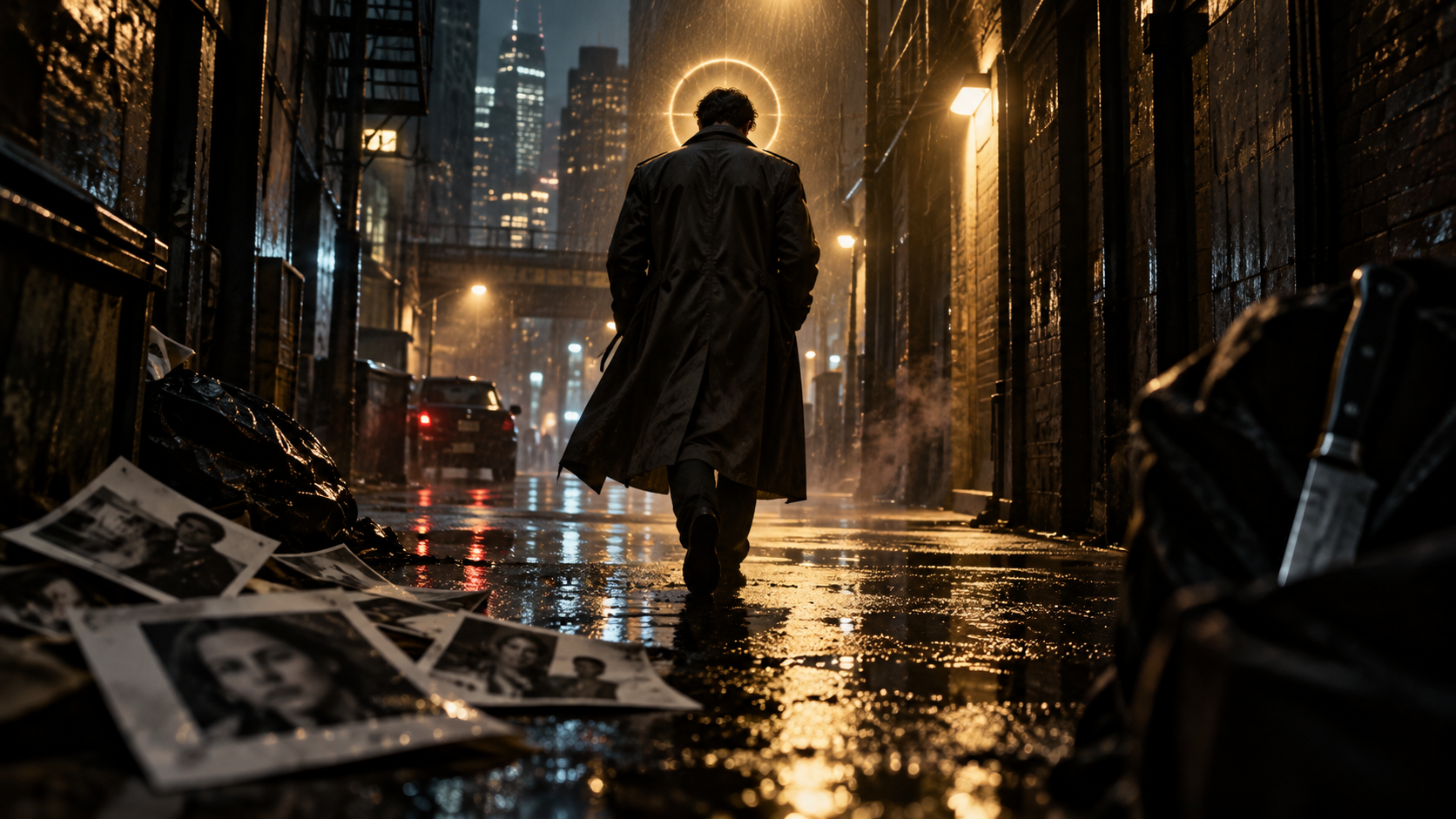
Two identities. Two novels. One man who refuses to accept responsibility.
Rosemary Henrich’s You Look Away and Johnny Grange follow the disturbing transformation of Will Oliver, a man whose childhood tragedy becomes the foundation of his murderous beliefs.
In You Look Away, readers meet Will as a successful pharmaceutical executive carrying the memory of his twin sister’s kidnapping and death. His hatred toward those who fail to protect children grows into something horrifying. He begins murdering vulnerable children, believing he is rescuing them from potential predators.
But the authorities don’t share his interpretation.
As investigators uncover connections between suspicious deaths, Will’s seemingly ordinary life becomes increasingly difficult to maintain.
Johnny Grange continues his story after he escapes the United States. Now hiding behind a different identity, Will returns with a new objective: punishing the adults he blames for the deaths of the children he murdered.
The two novels reveal different stages of the same dangerous obsession. The first explores how Will justifies killing children. The second follows his determination to make others pay for crimes he committed.
Together, they raise a troubling question about guilt, responsibility, and self-deception.
What happens when someone understands exactly what they’ve done but refuses to believe it was wrong?
Start with You Look Away, then continue the story in Johnny Grange.